
Embracing Awe: The Magic of Everyday Moments
- Gary Wizart

- Apr 21
- 4 min read

There are moments that stop you mid-step.
A sky that has turned a color you don't have a name for. The sudden scale of a mountain seen for the first time. A murmuration of starlings shifting and folding over a winter field. You weren't expecting it. You weren't looking for it. And for a moment—just a moment—something loosens, and the noise inside your head goes quiet.
The Power of Awe
Psychologists have a word for this: awe.
It sounds almost too small a word for what it describes. Yet researchers who have spent years studying awe have found something remarkable about what happens in the mind and body when it strikes. Awe, it turns out, does something that very few human experiences can do. It interrupts the self.
The particular kind of mental chatter that tends to dominate our inner life—the replaying of conversations, the rehearsing of worries, the low hum of self-assessment that runs beneath almost everything—quietens in the presence of something vast. Not because we decide to let it go, but because something larger than our usual preoccupations has entered the frame. In that moment, the mind forgets to keep circling itself.
What fills that silence is something rarer: a sense of being simultaneously very small and strangely expanded. You feel present in a way that ordinary moments rarely permit.
Awe and Wellbeing
Field studies have found that people who experience awe—even briefly, even in modest urban settings like a tree-lined street or a clear night sky—report greater wellbeing, more generosity, and stronger creative thinking than those who experience other positive emotions like joy or contentment. Awe does something those gentler feelings do not.
It shifts perspective.
And shifted perspective is, at its heart, what all creative work requires. The ability to see what is already there as though seeing it for the first time. To find the extraordinary hiding inside the familiar. To look at the world from an angle that produces something new.
Chasing Awe Through Stories
The oldest stories knew this.
Every mythology, every tradition of wonder, every culture that has ever looked up at the night sky and tried to make sense of it—they were all, in some essential way, chasing awe. Not as a luxury or an escape, but as a way of seeing that made other kinds of seeing possible.
Consider the shepherd who watches a storm gather over a mountain range. Or the child who sees frost on a window for the first time. The painter who returns to the same landscape until it finally gives up its secret. These are not passive experiences. They are acts of attention—and the awe they invite is the thing that keeps the attention alive.
Finding Awe in Everyday Life
Awe lives closer than we tend to think.
A handful of studies—and a great deal of lived experience—suggest that the capacity for awe is less about the scale of what you encounter and more about the quality of attention you bring to it. A crack in a pavement pushing a flower through. The particular way light falls across a rooftop at a certain hour. The sound a forest makes when the wind moves through it all at once.
The world is full of moments that could stop you mid-step. The question is simply whether you are moving slowly enough to let them.
When did something last make you forget, just for a moment, what you had been worrying about?
The Journey of Awe
Embracing awe is a journey.
It invites us to slow down and notice the beauty around us. Each moment holds the potential for wonder. We can choose to open our eyes and hearts to these experiences. As we do, we cultivate a deeper connection to ourselves and the world.
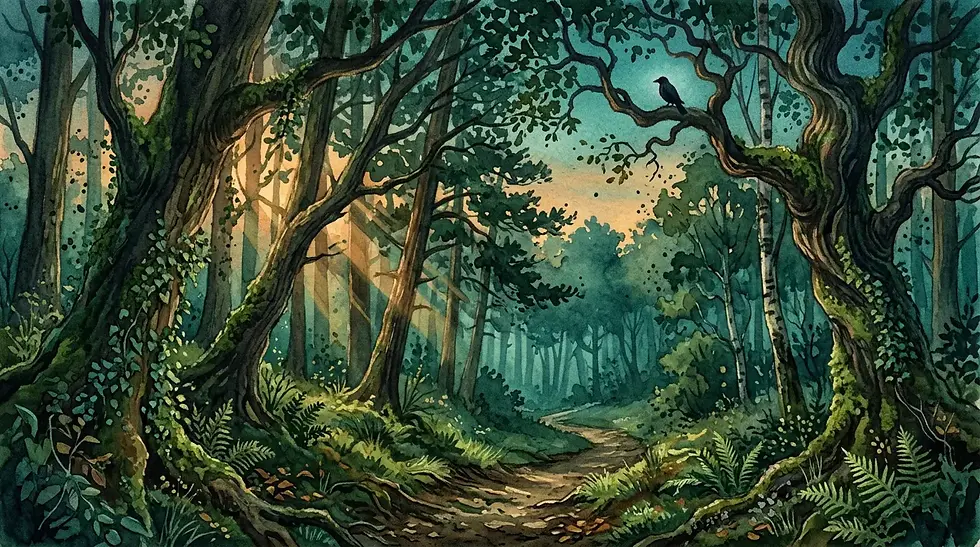
Imagine walking through a forest. The sunlight filters through the leaves, creating a dance of shadows on the ground. You hear the rustle of leaves and the distant call of a bird. In that moment, you might feel a sense of peace wash over you. You become aware of your breath, the rhythm of your heart, and the beauty of the world around you.
Awe and Creativity
Awe is a wellspring of creativity.
When we experience awe, we tap into a deeper part of ourselves. This connection can inspire us to create, to express, and to share our stories with others. It opens doors to new ideas and perspectives.
Think of the artist who gazes at a sunset, feeling the colors swirl and blend. Or the writer who finds inspiration in the laughter of children playing. These moments of awe fuel our creative spirit, allowing us to express our unique voices.
Conclusion: Embrace the Awe
In a world that often rushes past, let us take a moment to embrace awe.
Let us seek out those moments that make us pause and reflect. The beauty of nature, the kindness of strangers, and the simple joys of life can all fill us with wonder.
As we cultivate a practice of noticing, we invite more awe into our lives. And in doing so, we nurture our creativity, our wellbeing, and our connection to the world around us.
Further reading: The psychology of awe is one of the most quietly fascinating areas of human research. This piece from BBC Worklife is a beautiful place to begin.


Comments